
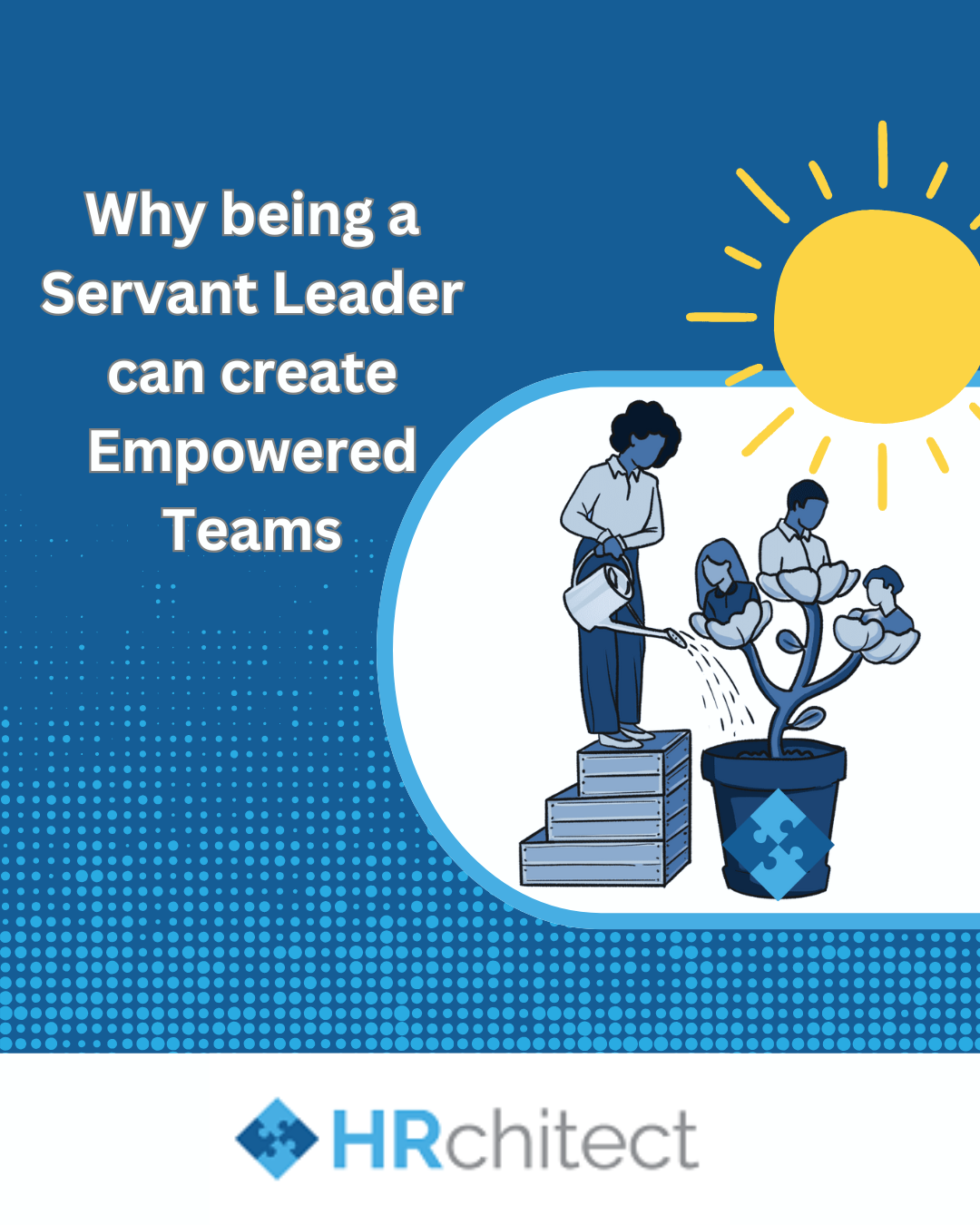
Servant leadership strengthens HCM project implementations by creating a culture of trust, collaboration, and accountability. By focusing on the team’s development and well-being, fostering open communication, and empowering team members to take ownership, servant leadership ensures a more resilient and engaged team, leading to smoother implementations, better problem-solving, and more sustainable success. In today’s blog, we will focus on why being a servant leader can lead to greater success and empowered teams.
Servant Leadership Brings Purpose
As Director of Service Operations, I work with a team of skilled project managers. This role has brought purpose to my passion for serving others. When your purpose aligns with your passion, it fuels intrinsic motivation. Purpose gives direction, while passion gives the energy to pursue it relentlessly. Purpose tied to passion leads to a more profound sense of fulfillment. Rather than simply completing tasks or goals for external rewards, I am working on personally meaningful things that align with my values. This alignment makes success more rewarding and setbacks easier to overcome.
It is also refreshing that the executive team at HRchitect allows their leaders latitude to develop practices for guiding teams. This flexibility empowers us to innovate and tailor leadership styles to the unique needs of each team while creating a culture of growth and empowerment. The more I have leaned into Servant Leadership, the more I have strived to empower my teams with the tools, resources, and autonomy to do their best work.
Servant Leadership Contributes to Success
Here’s how the principles of servant leadership contribute to the success of project implementations at HRchitect:
1. Empowering Teams:
- Fostering Autonomy: Empowering team members with autonomy and decision-making authority encourages them to take ownership of their responsibilities in an HCM project implementation, leading to higher accountability and productivity.
- Building Confidence: Focusing on developing and uplifting others builds confidence within the team. This empowerment helps create a culture where people feel valued and are more willing to step up and contribute.
2. Enhancing Collaboration and Communication:
- Encouraging Open Dialogue: Emphasizing active listening and open communication creates an environment where team members feel comfortable voicing concerns, sharing ideas, and working together to solve problems, leading to smoother execution of deliverables.
3. Proactive Problem Solving:
- Addressing Issues Early and Removing Roadblocks: Servant leaders are highly attuned to the needs and challenges of their team. Being available and responsive, they help identify and resolve issues before they escalate, reducing the risk of significant setbacks during project implementation.
4. Creating a Culture of Accountability:
- Shared Responsibility and Promoting Ownership: Servant leadership fosters a sense of shared responsibility, where everyone feels accountable for the project’s success. This culture of accountability ensures that team members remain focused on delivering high-quality work and meeting deadlines.
5. Improving Stakeholder Engagement:
- Understanding Stakeholder Needs and Building Trust: Prioritizing the needs of the project’s stakeholders ensures that the project aligns with their expectations. This focus on stakeholder satisfaction leads to more successful outcomes and stronger relationships throughout the project lifecycle.
- Active Listening: By actively listening to stakeholders and communicating transparently, servant leaders enhance communication and build trust. This trust ensures the client remains engaged and confident in the project’s direction, reducing friction and fostering long-term partnerships.
6. Fostering Team Development:
- Investing in Growth: Servant leaders prioritize their team members’ development, ensuring they have the skills and knowledge needed for the project. This focus on growth leads to a more capable and adaptable team, enhancing overall project performance.
- Encouraging Learning and Innovation: Focusing on continuous improvement, we encourage our teams to learn from mistakes and seek innovative solutions during implementation, leading to better problem-solving and creative approaches to challenges.
7. Promoting Resilience and Adaptability:
- Building a Supportive Environment: Servant leadership fosters a supportive and psychologically safe environment where team members feel secure expressing concerns or experimenting with new ideas. This safety net encourages the team to be more resilient when facing unexpected challenges.
- Adapting to Change: Implementations often involve changes in scope or direction. Servant leaders help their teams adapt to these changes by focusing on flexibility and supporting them through transitions, ensuring the project remains on course.
8. Sustaining Long-Term Success:
- Focus on Lasting Impact: By focusing not only on delivering the project but also on ensuring it creates long-term value. This approach ensures that the project implementation meets immediate goals while setting the foundation for ongoing success and sustainability.
Servant Leadership Enhances Team Efforts
Servant leadership strengthens project implementations by fostering a team-focused environment that encourages collaboration, accountability, and proactive problem-solving. By prioritizing the team’s and stakeholders’ needs and growth, servant leaders enhance communication, drive innovation, and ensure long-term project success. The leader supports the team’s efforts through this approach, leading to smoother implementations and more sustainable outcomes.
With our extensive history of HCM Implementations, HRchitect is an award-winning leader in HCM technology consulting services. Contact us today to find out more about how our services can help you with your HR strategy.
About the Author

Crystal Judd joined HRchitect in 2016, bringing over a decade of HR technology experience to the HRchitect team. In her role as Director of Service Operations, Crystal helps to ensure the success of all HRchitect’s projects across all implementation practices within the organization. Crystal also plays a role in onboarding and mentoring the HRchitect’s Project Management Office (PMO) members.
With her servant leadership style, Crystal brings excellent attention to detail, clear communication, and strong project management skills to her clients and their implementations.
Learn more about Crystal on LinkedIn.